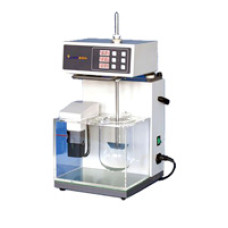
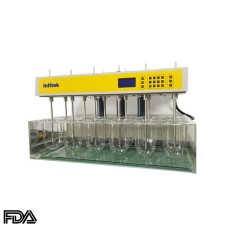
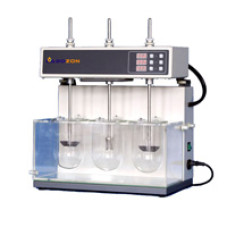
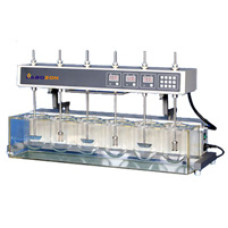
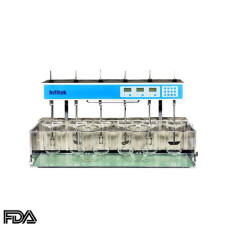
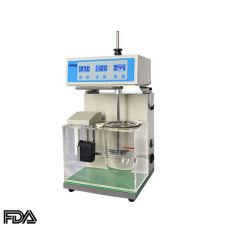
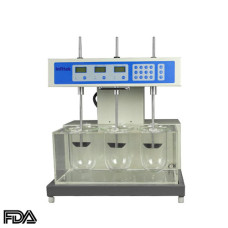
What is a Dissolution Test Apparatus?
A dissolution test apparatus is a crucial tool used in pharmaceutical research and development to determine the rate at which a solid dosage form dissolves. This apparatus simulates the conditions of the human body, providing valuable insights into how medications will behave once ingested.
How Does a Dissolution Test Apparatus Work?
The dissolution test apparatus involves placing a sample of the medication into a vessel containing a specified fluid that simulates the body's fluids. The apparatus then agitates the solution at a constant temperature, allowing researchers to monitor how quickly the medication dissolves and releases its active ingredients.
Why is the Dissolution Test Apparatus Important?
Understanding the dissolution characteristics of a medication is crucial for ensuring its efficacy and safety. By using a dissolution test apparatus, researchers can optimize formulations, predict how a drug will behave in the body, and meet regulatory requirements.
Benefits of Using a Dissolution Test Apparatus Improving Drug Formulations:
By analyzing dissolution rates, researchers can fine-tune drug formulations for better performance.
Predicting Bioavailability: The dissolution test apparatus provides insights into how much of the drug will be absorbed by the body.
Meeting Regulatory Standards: Regulatory bodies require dissolution testing to ensure the quality and effectiveness of medications.
Factors Influencing Dissolution Testing
Several factors can influence the results of dissolution testing, including the composition of the dosage form, the pH of the dissolution medium, and the agitation speed of the apparatus. Researchers must carefully control these variables to obtain accurate and reliable data.